Verizon Connect, 2024

Redesigning a core legacy page that grew traffic 2.5×

I led platform design for a core legacy area, navigating technical constraints while ensuring the solution met user needs. Through user research, I explored users' mental models around vehicle information, then facilitated workshops with product and engineering teams to define scope and rollout phases.

Team: 1 Product Owner, 2 Engineers

Redesigning a core legacy page that grew traffic 2.5×

Project summary

Challenge

For years, the vehicle area — an essential part of the product that feeds data across the entire platform — had become confusing and overly complicated for users. This created a data gap that limited feature development and hurt the user experience.

Solution

A consistent, scalable design that consolidates vehicle information in a way that matches users' mental models, making data easier to find and use.

Verizon Fleet redesign summary

Impact

+2.5x traffic growth

The page traffic jumped from ~36K to ~89K visits per month after the release of the redesign.

-4 legacy pages

Deprecated 4 legacy pages, eliminating design debt and reducing maintenance costs.

100% of design system usage

The redesign uses 100% of our design system components, ensuring consistency and making future updates easier to maintain.

Before-and-after comparison showing traffic growth from 36K to 89K visits

The complexity of a legacy area

The vehicle area was crucial for sharing data across the product. On the technical side, I had to ensure we carried over all functionality into the new redesign. On top of that, I needed to understand the most common user issues and how to improve the information architecture. The legacy system had three major issues: confusing navigation across multiple pages, input fields visible to all users, and poor information grouping that made data hard to find.

The old version of the admin page before the redesign
Legacy admin page showing complex multi-tab navigation structure
The old version of the admin page had a complex navigation structure.

Understanding the user mental model

To reduce the risk of disrupting the user experience, I allocated time during project planning to conduct a comprehensive card sorting exercise with users, helping us remap the information architecture. The results informed the new information architecture and helped engineering gain speed by mapping which APIs would be needed to rebuild that part of the product.

FigJam board with card sorting results mapping the new information architecture
A FigJam board consolidating the learnings from the Card Sorting.

The solution

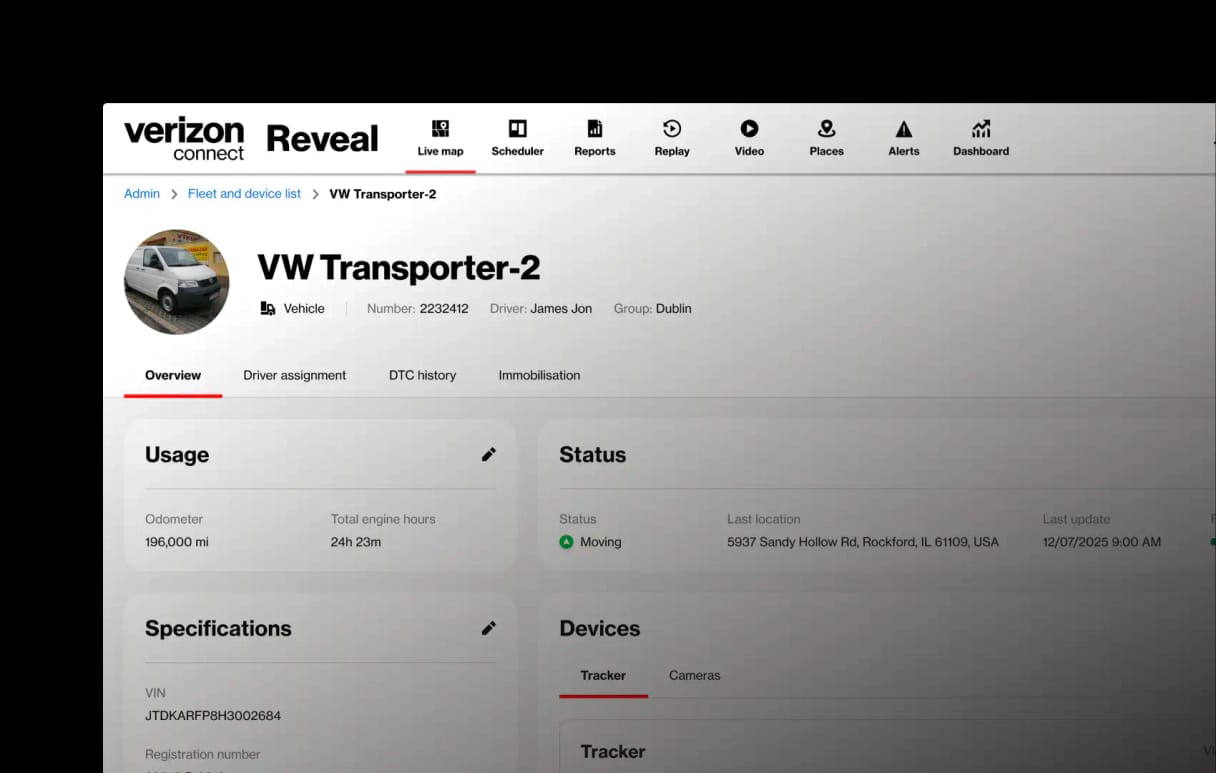
Through comprehensive user research, I redesigned the vehicle area into a simple, scalable layout that helps users spot information quickly and keep vehicle data complete and consistent. The design uses the full design system, ensuring consistency and easier future maintenance. The new structure groups related data logically, removes unnecessary complexity, and scales across different account types.

Redesigned vehicle details page with grouped data sections
Close-up of the vehicle data grouping in the new layout
Detail view of the vehicle editing panel with simplified fields

Outcomes

+2.5x traffic growth

The page traffic jumped from ~36K to ~89K visits per month after the release of the redesign.

-4 legacy pages

Deprecated 4 legacy pages from the old system, eliminating design debt and reducing maintenance costs.

100% of design system usage

The redesign uses 100% of our design system components, ensuring consistency and making future updates easier to maintain.